
On this page 3 sections
Multifamily vs. Single-Family Rentals in Spokane: Key Leasing Differences for Property Owners
Managing one Spokane rental may feel straightforward: find a tenant, sign a lease, collect rent, and arrange repairs when needed. But when you become a multifamily property owner, those tasks multiply. Different lease dates, tenant applications, rent payments, maintenance requests, and shared-space expectations can quickly become difficult to coordinate, especially when every unit needs consistent attention. That is where a structured leasing approach to multifamily property management matters.
Urban Settlements supports Spokane owners with leasing, tenant retention, operational coordination, and financial reporting. In this article, we explore the key differences between single-family and multifamily property leasing, and what owners should plan for.
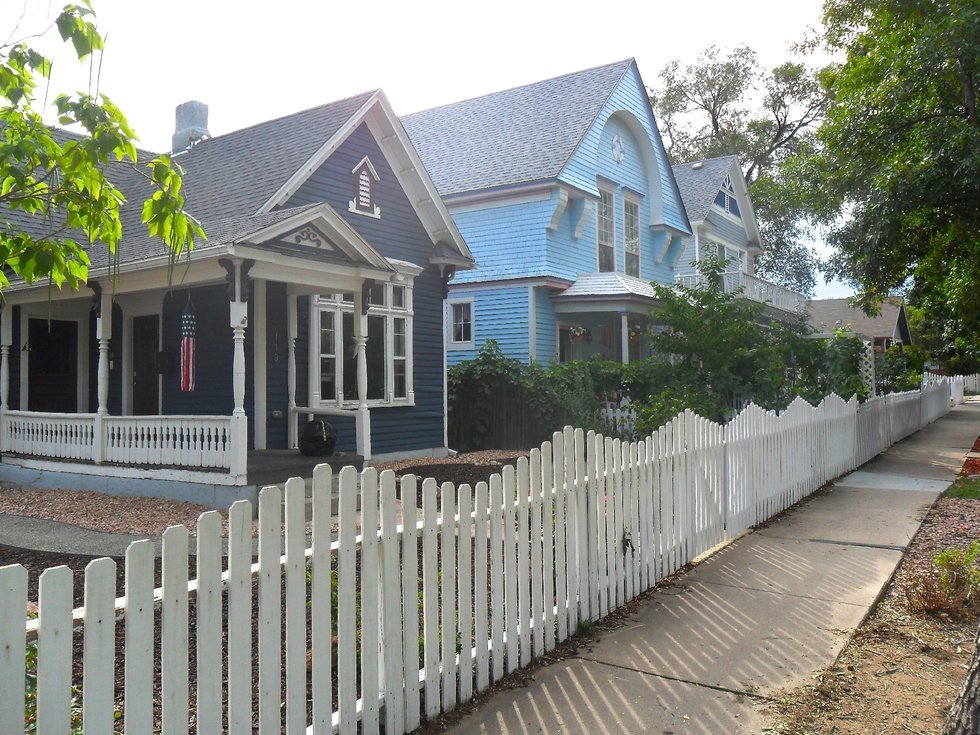 How Does Leasing Change When You Move from a Single-Family Rental to a Multifamily Property?
Moving from a single-family rental to a multifamily property in Spokane can change how you manage almost every leasing responsibility. What was once a straightforward landlord-tenant arrangement now involves coordinating several households, lease schedules, rental records, and ongoing communication.
For Spokane property owners, the difference becomes clearer when multiple units operate under different tenancy arrangements. Here are three areas where multifamily property leasing requires a more structured approach.
1. Different Lease Expiration Dates Require Closer Coordination
When you own a single-family rental in Spokane, you generally track one lease, one renewal date, and one household's tenancy. With a multifamily property, those timelines can overlap. Imagine owning a three-unit property in Spokane Valley, with one lease expiring in January, another in March, and the third in June. Each requires a separate renewal discussion, notice schedule, documentation, and occupancy record.
If you manage these dates independently without a central tracking system, renewal deadlines can easily be overlooked. As a multifamily property owner, you need visibility into every unit's lease status and upcoming milestones.
Urban Settlements helps Spokane multifamily property owners keep these responsibilities organised through leasing and tenant retention strategies, unit inspections, maintenance coordination, and monthly owner statements that provide visibility into property income and expenses.
2. Tenant Records and Leasing Documentation Multiply
A single-family rental usually involves maintaining one tenant's application, screening records, signed lease, and communication history. A multifamily property requires the same documentation across every occupied unit. For example, an owner managing apartments in Millwood or Liberty Lake may have different residents moving in, renewing, or updating their tenancy arrangements throughout the year.
Each household needs an individual record, while screening criteria, lease documentation, and communication procedures must remain consistent. Without organised records, retrieving an applicant's screening history or checking a particular lease provision can become unnecessarily time-consuming. A structured multifamily leasing process helps Spokane owners maintain accurate unit-level records while applying consistent procedures across their property.
For a closer look at how leasing decisions influence occupancy, explore how Spokane multifamily owners can reduce apartment vacancies.
3. Rent Collection Requires Property-Wide Financial Visibility
With a single-family rental, monitoring one monthly rent payment is relatively straightforward. In a multifamily property, owners need to track payments across several units, identify outstanding balances, and review income against property expenses.
Consider a four-unit Spokane property where three residents pay on time while one payment remains outstanding. The owner needs to identify that shortfall without losing sight of the property's overall financial position.
This calls for organised rent records, consistent follow-ups, and financial reporting that shows both individual unit performance and total property income. The team at Urban Settlements provides monthly owner statements and financial reporting, helping Spokane multifamily property owners review rental income, track property expenses, and understand their property's overall financial performance.
Ultimately, for Spokane owners, the shift from single-family to multifamily property leasing is ultimately a seamless shift from managing one tenancy to coordinating an entire property's leasing operations.
How Do Shared Spaces Influence Multifamily Property Leasing in Spokane?
When you own a multifamily property in Spokane, your responsibility extends beyond the individual units you lease. Residents may have separate apartments, but they share the same entrances, parking areas, walkways, laundry facilities, and outdoor spaces. How you manage these common areas can influence residents' everyday experience, the condition of your property, and the expectations people have when they choose to live there.
For multifamily property owners, shared-space management is therefore an important part of successful multifamily property leasing. Here are three areas that deserve attention.
Set clear expectations for how residents use shared facilities.
Imagine owning a small multifamily apartment property in Spokane with four households using the same parking area. One resident regularly parks in a space another considers theirs, while visitors occupy spaces intended for residents. What may seem like a minor disagreement can become a recurring source of frustration.
Similar issues can arise around shared laundry rooms, waste disposal areas, entrances, hallways, and outdoor spaces. As an owner, you need to establish clear expectations about:
Parking and visitor access: Explain assigned spaces, guest parking arrangements, and restrictions on blocking driveways or access routes.
Waste disposal: Clarify where residents should dispose of household rubbish and how shared bins and collection areas should be used.
Noise and common-area use: Set reasonable expectations for noise, gatherings, smoking, and keeping shared spaces of your Spokane multifamily property accessible to other residents.
These expectations should be communicated clearly through appropriate lease provisions, community rules, or resident notices. Washington's Residential Landlord-Tenant Act, RCW 59.18.060, also outlines landlords' responsibilities for keeping shared or common areas reasonably clean, sanitary, and safe.
Make property-wide maintenance a consistent priority.
A faulty light in a single-family rental may affect one household. In a multifamily property, a broken entrance light, damaged staircase, overflowing waste area, or poorly maintained parking lot can affect several residents at once. This makes regular property inspections and timely maintenance coordination particularly important.
Spokane's seasonal conditions add another consideration for multifamily property management. During winter, snow and ice can make shared walkways, entrances, and parking areas difficult to navigate. For properties within Spokane city limits, the city's snow-removal requirements specify that owners and occupants must keep adjacent sidewalk areas clear of snow and ice. The requirements also apply to multiunit premises.
For an owner, this means planning ahead rather than waiting for residents to report a problem. You should consider:
Scheduling inspections of entrances, stairways, lighting, and shared facilities.
Arranging timely attention to snow, ice, drainage, and other seasonal maintenance concerns.
Coordinating qualified vendors when common-area repairs or upkeep are needed.
Following up to ensure reported issues have been addressed.
Urban Settlements supports multifamily property owners across its service areas through property inspections, maintenance, and vendor coordination, helping them monitor shared-property conditions and organise the work that needs attention.
Create a fair and comfortable environment for all residents.
In any Spokane multifamily property, residents are neighbours as well as tenants. A noise complaint between two apartments, disagreements over shared parking, or repeated misuse of common facilities can affect more than the people directly involved. If concerns are ignored or handled inconsistently, they can gradually affect the atmosphere across the property.
As a Spokane owner, consider how you will respond when these situations arise. Residents should know whom to contact, how concerns will be reviewed, and what steps may follow. Documenting complaints, communicating expectations consistently, and addressing recurring issues promptly can help prevent small disagreements from becoming ongoing problems.
A property manager locally available in Spokane, like our team at Urban Settlements, can help owners maintain consistent resident communication and follow-up, while supporting tenant retention and a more organised residential environment.
Ultimately, successful multifamily property leasing in Spokane involves more than keeping individual apartments occupied; it also means managing the shared environment that connects every household.
Make Multifamily Property Leasing Easier Across Spokane
Successful multifamily property leasing takes consistent oversight, from individual units to shared spaces and resident relationships. Whether your property is in Spokane, Spokane Valley, Millwood, Liberty Lake, Cheney, or Airway Heights, Urban Settlements can help you manage its needs with a structured approach to multifamily property management.
Quick Summary: What Should Spokane Multifamily Owners Keep in Mind?
Lease coordination: Managing multiple tenancies.
Shared spaces: Setting clear resident expectations.
Maintenance: Keeping common areas functional and safe.
Resident relations: Addressing concerns consistently.
Ready to take the next step?
Explore how Urban Settlements can support your multifamily property leasing needs in Spokane and surrounding areas. Contact us to discuss your multifamily property management requirements.
Email: info@urbansettlements.com
Phone: +1 (509) 900-8005