
Multifamily Property Inspections: A Complete Guide to Protecting Your Property and Preventing Costly Repairs
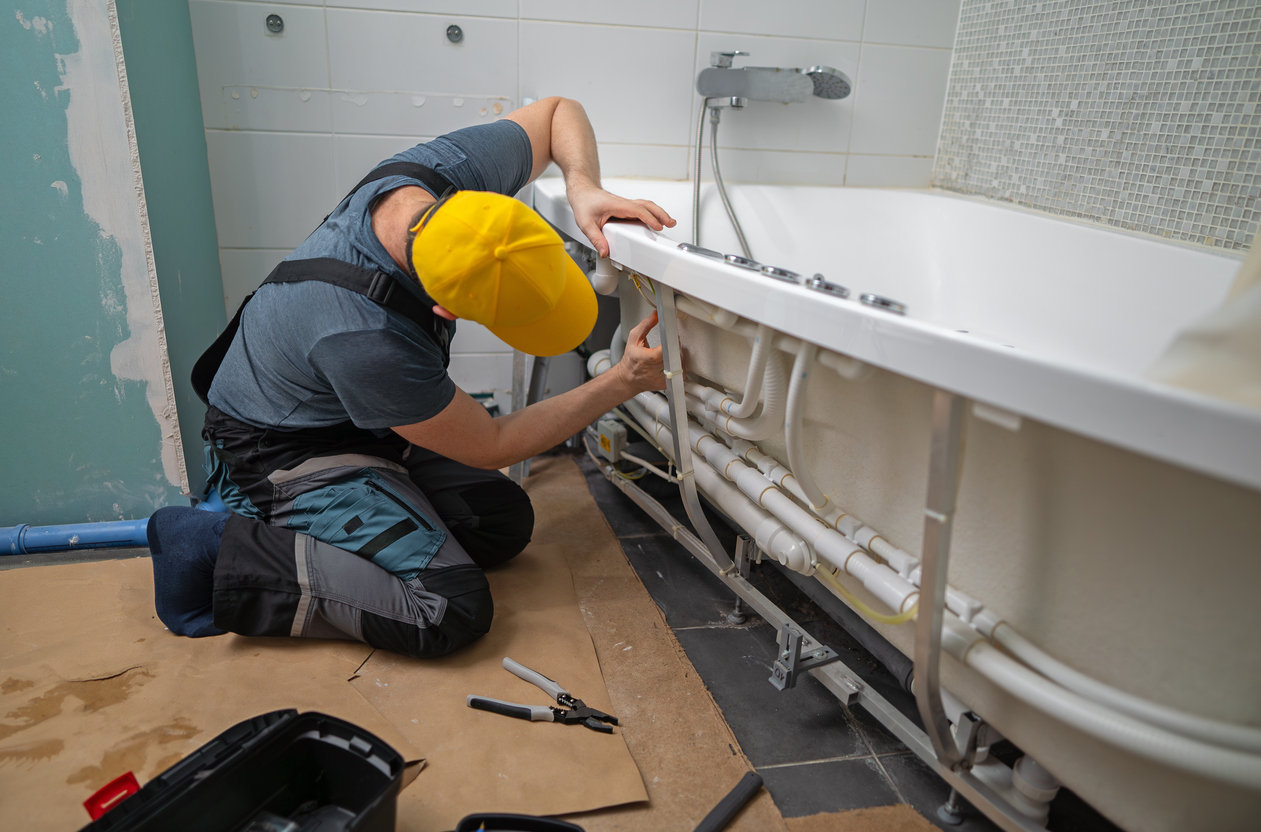 Multifamily property inspections are more than a routine task they are a strategic safeguard for your investment. Whether you own a duplex, apartment complex, or large residential portfolio, consistent inspections help identify minor issues before they evolve into expensive repairs. In today’s competitive real estate landscape, proactive property maintenance is directly tied to tenant satisfaction, operational efficiency, and long-term profitability.
Property owners who overlook regular inspections often face unexpected costs, legal complications, and declining property value. On the other hand, a well-structured inspection process ensures that your multifamily property remains safe, compliant, and financially sustainable. This guide explores what property owners should look for during inspections and how to use them as a powerful tool to prevent costly repairs.
Multifamily Inspection Checklist for Owners
A well-structured inspection checklist is the foundation of effective property management. For multifamily property owners, inspections are not just about spotting visible issues they are about creating a systematic approach to uncover hidden risks that could lead to expensive repairs. By following a comprehensive checklist, owners can ensure that every critical component of the property is evaluated consistently. This approach not only protects the physical asset but also enhances tenant satisfaction and long-term returns.
Exterior Structure and Safety
The first impression of your property begins with its exterior, but beyond aesthetics, this area reveals critical structural health indicators. Inspect the building façade, roofing, gutters, and drainage systems. Look for cracks, water pooling, or signs of wear that could lead to structural damage.
Parking lots, walkways, and lighting should also be evaluated. Uneven pavement or poor lighting not only increases liability risks but also signals neglect to tenants. Addressing these early helps prevent accidents and costly lawsuits.
Plumbing Systems and Water Damage
Water damage is one of the most expensive issues in multifamily properties. Regularly check pipes, faucets, and water heaters for leaks or corrosion. Even a small leak can escalate into mold growth or structural deterioration if left unattended.
Pay attention to water pressure inconsistencies and slow drainage, as these may indicate deeper plumbing issues. Early detection can save thousands in repair costs and prevent tenant dissatisfaction.
Electrical Systems and Fire Hazards
Electrical systems are often overlooked until a problem arises. Inspect wiring, circuit breakers, and outlets to ensure they meet safety standards. Flickering lights or frequently tripping breakers are warning signs that should never be ignored.
Fire safety measures such as smoke detectors, fire extinguishers, and emergency exits must also be inspected regularly. Ensuring compliance not only protects tenants but also reduces liability risks.
HVAC Systems and Energy Efficiency
Heating, ventilation, and air conditioning systems play a crucial role in tenant comfort and energy costs. Inspect HVAC units for performance issues, unusual noises, or inefficiencies.
Regular maintenance improves energy efficiency, reduces utility expenses, and extends the lifespan of equipment. This is especially important in multifamily properties where system failure can impact multiple units simultaneously.
Interior Units and Tenant Impact
Inside each unit, focus on walls, ceilings, flooring, and appliances. Look for signs of wear, pest infestations, or unauthorized modifications. Tenant-reported issues should be addressed promptly during inspections.
A well-maintained interior not only enhances tenant satisfaction but also reduces turnover rates. Happy tenants are more likely to renew leases, ensuring consistent rental income.
How Regular Property Inspections Prevent Costly Repairs
Regular property inspections are one of the most effective ways to protect your investment and avoid unexpected financial strain. Instead of waiting for visible damage or tenant complaints, a proactive inspection strategy allows property owners to stay ahead of potential issues. By consistently evaluating every aspect of a property, owners can detect early warning signs and take corrective action before minor concerns escalate into major repairs.
Early Detection Minimizes Property Damage
One of the biggest advantages of routine property inspections is the ability to identify small issues before they become serious problems. A minor roof leak, for example, may seem insignificant at first, but if left unchecked, it can lead to structural damage, mold growth, and costly restoration. Regular inspections ensure that such risks are addressed early, reducing both repair costs and long-term damage to the property.
Preventive Maintenance Protects Property Value
Every property experiences wear and tear over time, but consistent inspections help manage this natural decline. By identifying areas that require maintenance, such as aging plumbing systems, worn-out electrical wiring, or inefficient HVAC units, property owners can schedule timely repairs. This preventive approach not only extends the lifespan of key systems but also preserves the overall value of the property, making it more attractive to tenants and investors.
Reducing Emergency Repairs and Unexpected Costs
Emergency repairs are often the most expensive and disruptive aspect of property management. A sudden plumbing failure or electrical issue can require immediate attention, often at a premium cost. Regular property inspections reduce the likelihood of such emergencies by identifying vulnerabilities in advance. This allows property owners to plan repairs strategically, control costs, and avoid sudden financial burdens.
Improved Tenant Experience and Property Stability
A well-maintained property directly impacts tenant satisfaction. When inspections are conducted regularly, tenants experience fewer disruptions caused by unexpected repairs. Addressing maintenance issues promptly also builds trust and confidence among residents. A stable and well-maintained property leads to higher tenant retention, reducing vacancy rates and ensuring consistent rental income.
Ensuring Compliance and Reducing Liability Risks
Multifamily property owners must comply with various safety and housing regulations. Regular inspections help ensure that the property meets all required standards, from fire safety systems to structural integrity. Identifying and resolving compliance issues early reduces the risk of legal complications, fines, or liability claims. A compliant property not only protects the owner but also provides a safer living environment for tenants.
Long-Term Financial Efficiency for Property Owners
Consistent property inspections contribute to better financial planning and resource allocation. By understanding the condition of the property and anticipating future maintenance needs, owners can create more accurate budgets. This long-term perspective helps avoid large, unexpected expenses and ensures that the property remains profitable over time.
Preventing expensive repairs starts with a proactive strategy. Partner with Urban Settlements to streamline your multifamily property inspections, identify risks early, and protect your investment with confidence. Their expert approach ensures your property remains efficient, compliant, and profitable.
Smart Inspection Strategies for Multifamily Investors
For multifamily investors, inspections are more than routine tasks they are strategic tools for maximizing returns and minimizing risks. Implementing smart inspection strategies enables investors to streamline operations, prioritize maintenance, and make data-driven decisions. From leveraging technology to optimizing inspection schedules, a thoughtful approach ensures that properties remain in peak condition while controlling costs. Ultimately, these strategies help investors scale their portfolios with confidence and efficiency.
Scheduling and Frequency Planning
Not all inspections are created equal. Successful property owners implement a structured schedule that includes seasonal, annual, and move-in/move-out inspections.
Seasonal inspections focus on weather-related risks, while annual inspections provide a comprehensive overview of the property’s condition. Move-in and move-out inspections help track tenant-related wear and tear.
Leveraging Technology for Inspections
Modern technology has transformed property inspections. Digital tools and inspection software allow property owners to document issues, track maintenance history, and generate reports efficiently.
Using technology improves accuracy, reduces manual errors, and ensures that no detail is overlooked. It also provides valuable data insights for long-term property management decisions.
Training Property Management Teams
A well-trained team is essential for effective inspections. Property managers and maintenance staff should be trained to identify early warning signs and follow standardized inspection protocols.
Consistency in inspections ensures that all areas of the property are evaluated thoroughly, reducing the risk of missed issues.
Summary
Multifamily property inspections are a critical component of successful property ownership. They go beyond routine checks, serving as a proactive strategy to prevent expensive repairs, enhance tenant satisfaction, and maintain property value.
Contact us for a comprehensive inspection checklist, to understand the financial impact of regular inspections, and to implement smart strategies; property owners can protect their investments and ensure long-term profitability.