
How Preventive Maintenance Systems Reduce Costs for Multifamily Properties in WA & NV
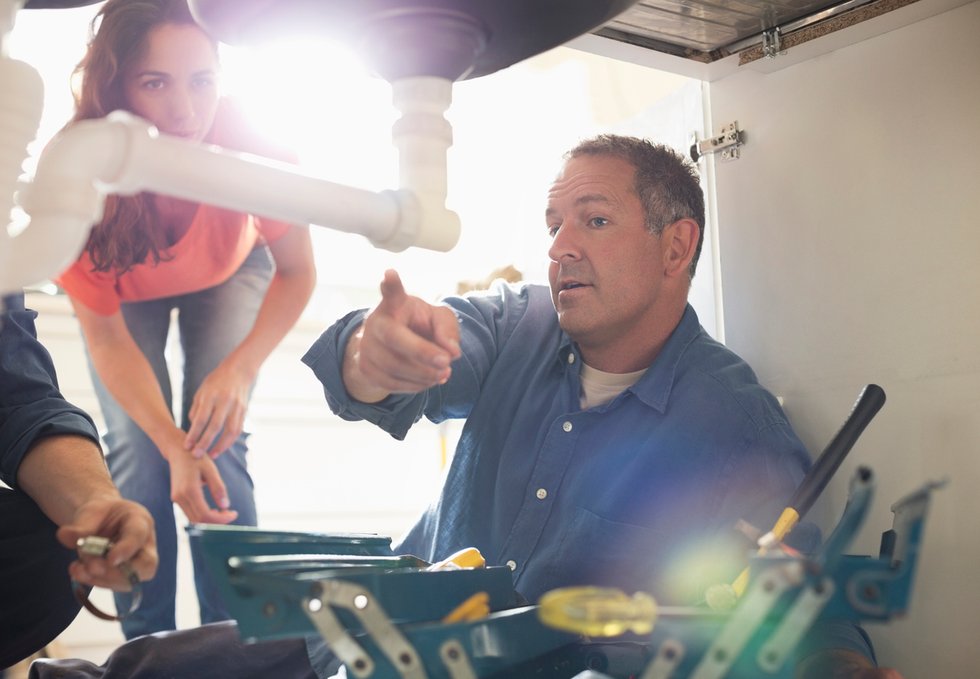 Managing multifamily properties in Washington and Nevada requires a proactive approach to maintenance. Efficient maintenance management systems not only enhance tenant satisfaction but also prevent costly repairs down the line. With the right strategies in place, property owners can ensure their buildings remain in top condition, minimizing the risk of unexpected expenses.
From regular inspections to timely repairs, a well-structured maintenance plan is essential for preserving property value. In this blog, we’ll explore effective maintenance management systems tailored for multifamily properties, highlighting best practices that can save you time and money while keeping your tenants happy and secure. Let's dive into the essentials!
Why Preventive Maintenance Matters for Multifamily Properties in WA & NV
Preventive maintenance simply means taking care of small issues before they turn into bigger problems. For property owners, it’s about regularly checking and maintaining key parts of a building like plumbing, roofing, heating systems, and common areas so everything continues to run smoothly over time.
This approach is very different from reactive maintenance. Reactive maintenance happens when something breaks and needs to be fixed immediately, often causing disruption for tenants and unexpected pressure for property managers. Preventive maintenance, on the other hand, focuses on staying ahead of problems, reducing the chances of sudden breakdowns and last-minute repairs.
In states like Washington (WA) and Nevada (NV), environmental conditions and daily usage patterns make this even more important. In Washington, frequent rain and moisture can lead to issues like leaks, mold, or gradual structural wear if not maintained regularly. In Nevada, extreme heat and dry conditions can affect roofing, cooling systems, and exterior materials over time. Across both regions, regular tenant usage in multifamily properties also contributes to everyday wear and tear on plumbing, appliances, and shared spaces.
What often starts as a minor issue, like a small leak, a clogged drain, or early signs of HVAC strain, can quickly escalate if ignored. A minor water issue, for example, can lead to wall damage or mold, while an overlooked system fault can result in larger repair needs that affect multiple units.
This is where a more structured approach to maintenance becomes valuable. By following consistent inspection schedules and addressing small concerns early, property owners can maintain better control over property conditions, reduce unexpected disruptions, and create a more stable living environment for tenants.
Preventive maintenance isn’t just about avoiding problems; it’s about managing properties more proactively, especially in regions where environmental factors and daily usage can accelerate wear over time.
Key Parts of an Effective Multifamily Maintenance System
Managing multifamily properties can be quite a task, especially when it comes to maintenance. An effective maintenance system is crucial for ensuring tenant satisfaction, preserving property value, and minimizing operational costs. Here are the key components that make up an effective multifamily maintenance system, particularly relevant to property maintenance management.
Maintenance Scheduling
What it is:
A planned schedule for routine tasks like HVAC servicing, plumbing checks, and common area upkeep.
Why it matters:
It ensures that essential maintenance is done on time instead of being forgotten or delayed, helping prevent unexpected breakdowns.
Example:
Setting a quarterly schedule to service heating and cooling systems so they continue working efficiently throughout the year.
Regular Property Inspections
What it is:
Routine walkthroughs of units and shared spaces to identify early signs of wear, damage, or potential issues.
Why it matters:
Frequent inspections help catch small problems before they grow into costly repairs or tenant complaints.
Example:
A property manager checks hallways, roofs, and plumbing areas monthly to spot leaks or maintenance needs early.
Work Order Tracking
What it is:
A system for logging, managing, and tracking maintenance requests from start to completion.
Why it matters:
It keeps maintenance organized, ensures no requests are missed, and helps prioritize urgent issues.
Example:
A tenant reports a faulty faucet, and the issue is logged, assigned, and tracked until it’s resolved.
Vendor Coordination
What it is:
Managing relationships with external service providers such as electricians, plumbers, and repair contractors.
Why it matters:
Having reliable vendors ensures repairs are handled quickly and professionally when needed.
Example:
A property manager contacts a trusted electrician to fix a wiring issue without delays or repeated follow-ups.
Emergency Response Handling
What it is:
A clear process for dealing with urgent issues like water leaks, power outages, or safety concerns.
Why it matters:
Quick response minimizes damage, protects tenants, and prevents small emergencies from escalating.
Example:
If a pipe bursts in a unit, the response system ensures immediate action is taken to stop the leak and begin repairs.
Together, these components create a structured maintenance system that helps property owners stay organized, respond quickly, and maintain consistent property standards.
By implementing a structured maintenance approach, owners can keep properties efficient, safe, and consistently profitable. For those looking to bring more organization and reliability into their maintenance systems, reach out to our team to manage operations more effectively.
When to Consider Professional Multifamily Maintenance Management
Managing maintenance internally can work well in the early stages, but as properties grow or issues become more frequent, it’s important to recognize when additional support is needed. A few clear signs can indicate that your current approach may no longer be enough.
Frequent maintenance delays
If repair requests are taking longer to resolve or tasks keep getting pushed back, it may signal that the current system is stretched too thin.Rising repair and upkeep costs
When small issues are not addressed early, they often turn into larger, more expensive problems. A pattern of increasing repair costs is a key warning sign.Recurring tenant complaints
Ongoing concerns about unresolved maintenance issues can affect tenant satisfaction and retention, especially in multifamily properties.Lack of visibility into maintenance status
If it’s difficult to track what’s been fixed, what’s pending, or what needs attention, it can lead to missed tasks and inconsistent property maintenance.
When maintenance is not managed effectively, the risks go beyond just operational inconvenience. Delays can lead to property damage, higher long-term maintenance expenses, and a decline in tenant trust. Over time, this can impact occupancy rates and overall property value.
A more structured, managed approach brings consistency and clarity. With organized workflows, timely inspections, and reliable vendor coordination, property owners can stay ahead of issues instead of constantly reacting to maintenance. This not only improves day-to-day operations but also creates a better maintenance experience for tenants.
For owners managing properties in regions like WA & NV, having access to local vendor networks and on-ground expertise can make a significant difference. Teams such as Urban Settlements bring regional knowledge and coordinated maintenance support that aligns with the needs of multifamily properties.
If maintenance challenges are becoming harder to manage or starting to affect property performance, it may be the right time to explore a more structured approach. Professional support can help simplify operations, improve response times, and bring greater consistency to how properties are maintained.
Bottom Line
Effective multifamily maintenance management is crucial for property owners in Washington and Nevada. By implementing robust systems, you can significantly reduce the risk of costly repairs and enhance tenant satisfaction. Regular inspections, timely maintenance requests, and proactive communication with residents are key strategies that help preserve property value and ensure a smooth operation.
At Urban Settlements, we prioritize these practices to maintain the quality of your multifamily properties. Investing in a solid maintenance management system not only saves money but also fosters a positive living environment for your tenants, ultimately leading to higher retention rates and a more profitable property investment.